


Discover a Different Side of Hawaii in Hilo
Looking for things to do in Hilo, Hawaii? Start by forgetting the picture-perfect beaches and sprawling resorts often associated with the islands. On the eastern coast of the Big Island, Hilo offers something different: lush rainforests, waterfalls tucked into the hills, and a town shaped by its volcanic surroundings and Hawaiian heritage. Rain is part of everyday life here, and it’s what keeps this corner of the island so green.
Set along Hilo Bay, the town has a laid-back atmosphere that feels far removed from Hawaii’s busier resort areas. Historic storefronts line the downtown streets, local markets sell freshly grown tropical fruit, and life moves at its own pace. While the Kona coast is known for its sunshine and beaches, Hilo appeals to travelers who want to explore the island’s natural landscapes and get a feel for local life.
And there’s plenty to discover beyond downtown. A short drive can take you from a waterfall to a Japanese garden, from an old lava tube to a rocky shoreline formed by volcanic activity. Head south, and the scenery changes again as you approach the volcanic landscapes that continue to shape the Big Island.
Waterfalls Near Hilo
The eastern side of the Big Island receives plenty of rainfall. Moist trade winds meet the island’s volcanic slopes, feeding rivers that run through thick tropical vegetation. Some of Hawaii’s most beautiful waterfalls are just a short drive from downtown Hilo, making them an easy addition to your itinerary.
Rainbow Falls and Its Morning Rainbows
Just a few minutes from downtown, Rainbow Falls is one of the most popular places to visit in Hilo. The waterfall drops about 80 feet into a pool surrounded by dense greenery. Its Hawaiian name, Waiānuenue, refers to the rainbows that sometimes appear in the mist when sunlight reaches the falling water.
Morning is usually the best time to visit, when the angle of the sun gives you a better chance of seeing a rainbow. There’s no guarantee, though. It depends on the weather, the river’s flow, and how the light hits the spray.
Rainbow Falls also has a place in Hawaiian mythology. According to local tradition, the cave behind the waterfall is associated with Hina, the mother of the demigod Māui. Knowing this adds another layer to a visit that might otherwise be a quick photo stop.
The main viewpoint is easy to reach, so you don’t need to plan a long hike. Still, it’s worth spending a little time here to take in the surrounding trees, volcanic rock formations, and the sound of the Wailuku River.
Boiling Pots on the Wailuku River
Follow the Wailuku River upstream, and you’ll come across a very different landscape. At Boiling Pots, water rushes through channels carved into basalt, swirling through a series of rocky pools. When the river is running high, the surface can look as though it’s bubbling, which explains the name.
Over time, flowing water has worn away the volcanic rock, creating the unusual formations visible today. Some sections reveal geometric basalt columns, formed as lava cooled and contracted. After heavy rain, the river can become particularly powerful.
Despite the inviting appearance of some pools, Boiling Pots is not a swimming spot. Strong currents, submerged cavities, and sudden changes in water levels make entering the river extremely dangerous. Stay within the designated viewing areas.
Rainbow Falls and Boiling Pots are both part of Wailuku River State Park. Entry and parking fees apply to non-Hawaii residents, so check the current rates and visitor information before heading out.
ʻAkaka Falls in the Rainforest
About 13 miles north of Hilo, near the small town of Honomū, ʻAkaka Falls drops roughly 442 feet into a deep, forested gorge. It’s one of the tallest and most recognizable waterfalls on the Big Island.
A short, paved loop trail of approximately 0.4 miles leads through the surrounding rainforest. Along the way, you’ll pass giant ferns, bamboo, orchids, and layers of tropical foliage. The vegetation is especially lush after rain, and the trail offers plenty to look at before you even reach the main waterfall viewpoint.
Although the walk is relatively short, there are steps and sloping sections that can become slippery in wet weather. Shoes with good traction are a better choice than flip-flops.
ʻAkaka Falls is worth making time for rather than treating it as a quick stop. The walk through the rainforest, the sound of the falling water, and the view into the gorge show just how different Hilo’s green eastern coast is from the drier landscapes around Kona.

Hilo Beyond the Waterfalls
Waterfalls may be one of Hilo’s biggest attractions, but there’s plenty more to discover around town. Some places offer a closer look at the volcanic forces that shaped the Big Island, while others tell the story of the communities that have influenced Hilo over the generations.
Kaumana Caves and Hilo’s Volcanic Past
At Kaumana Caves, a staircase leads down into a collapsed section of an ancient lava tube. These underground passages form when the outer surface of flowing lava cools and hardens while molten rock continues moving beneath it. Once the lava drains away, it leaves a hollow tunnel behind.
The cave system was formed during an 1881 eruption of Mauna Loa, when lava flowed toward Hilo but stopped before reaching the town. Today, openings in the rock reveal a dark, uneven landscape that offers a glimpse into the island’s volcanic history.
This isn’t a developed show cave with lighting and smooth walkways. The ground can be rough, wet, and slippery, and there is no permanent lighting inside the lava tube. Bring a reliable flashlight, wear sturdy closed-toe shoes, and stay within permitted areas. Exploring deeper underground without appropriate preparation is not recommended.
For anyone interested in geology, Kaumana Caves offers something different from a typical volcano viewpoint. Instead of looking across a lava field, you can see the underground passages left behind by flowing lava.
Liliʻuokalani Gardens, Hilo’s Japanese Garden
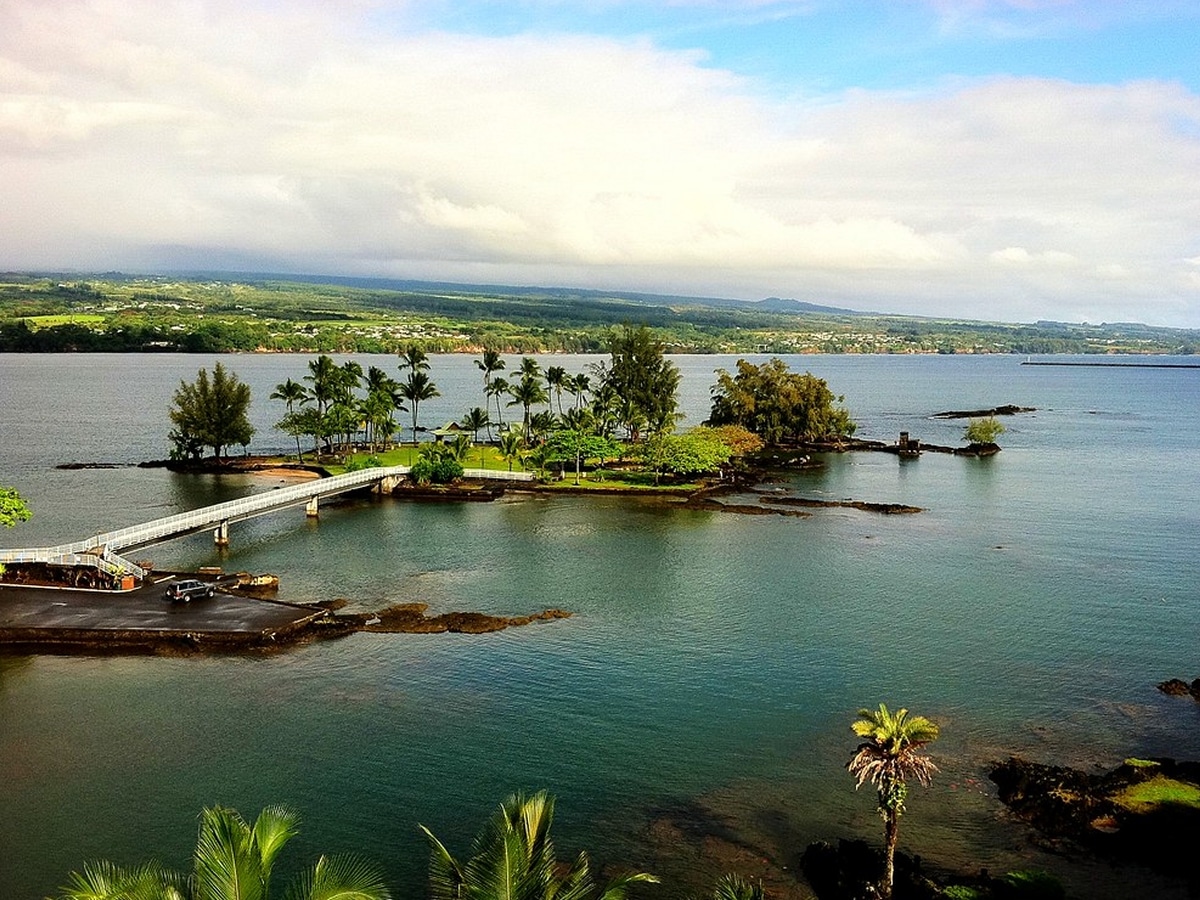
Near Hilo Bay, Liliʻuokalani Gardens offers a quiet place to walk and unwind. Arched bridges cross peaceful ponds, stone lanterns line the pathways, and carefully arranged trees give the park the feel of a traditional Japanese garden.
Developed in the early 20th century and dedicated in 1917, the gardens honor the Japanese immigrants who came to Hawaii, many of whom worked on sugar plantations. The park is named after Queen Liliʻuokalani, the last reigning monarch of the Hawaiian Kingdom.
The gardens also reflect Hilo’s multicultural history. Hawaiian traditions are part of daily life alongside influences from Japanese, Chinese, Filipino, and other communities that have made the Big Island their home.
Admission is free, making this an easy stop during a day of sightseeing. Take a walk around the ponds, find a quiet bench, or simply enjoy the views across Hilo Bay when the clouds clear.
Coconut Island, Known Locally as Mokuola
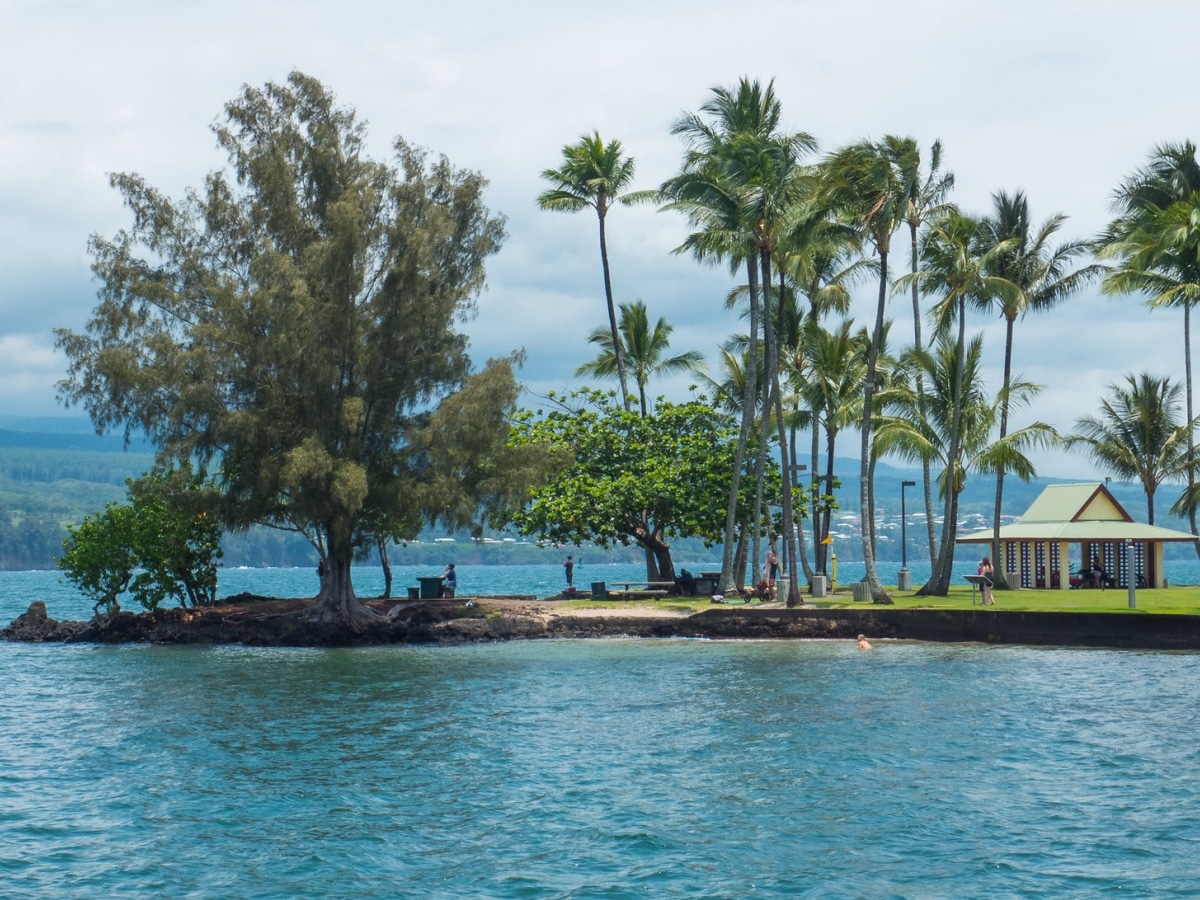
Just a short walk from the gardens, Coconut Island sits in Hilo Bay and is connected to the shore by a pedestrian bridge. Known as Mokuola in Hawaiian, this small island is now a public park with grassy areas, coastal views, and plenty of space to relax.
Its Hawaiian name is associated with healing and life, reflecting the island’s cultural significance long before it became a popular gathering place.
There’s no major attraction to check off here, and that’s part of the appeal. Families gather on the grass, visitors watch the activity in the bay, and the mountains sometimes emerge in the distance as the clouds lift. It’s a good place to slow down and enjoy Hilo’s everyday atmosphere.
If you’d like to learn more about the area’s traditions, volcanic history, and local culture, exploring the island with local tour guides in Hawaii can add useful context to the places you visit.
Explore Downtown Hilo
Walk Through Historic Downtown Hilo
Historic Downtown Hilo is worth exploring on foot, especially if you enjoy discovering places beyond the usual tourist attractions. Its streets look quite different from Hawaii’s resort towns, with colorful storefronts, independent shops, art galleries, cafés, and buildings that reflect the town’s commercial past.
Hilo was once a major economic center on the Big Island, particularly during the sugar plantation era. Its harbor played an important role in trade, helping the town develop into a busy commercial hub.
Walking around downtown also gives you a sense of everyday life in Hilo. Locals stop by shops, meet friends for lunch, or go about their daily routines. It’s a working town rather than a destination built entirely around tourism, and that makes exploring its streets especially interesting.
Photographers will find plenty of details worth noticing, from vintage signs and restored storefronts to older architectural features. Wander a little beyond the main streets, and you may come across a leafy courtyard or a small shop tucked away from the busier blocks.
Visit Hilo Farmers Market
Hilo Farmers Market is one of the best places to experience the town’s local food scene. Farmers and vendors sell fresh produce, tropical flowers, Hawaiian specialties, handmade crafts, and a variety of locally prepared foods.
Depending on the season, you might find papayas, passion fruit, lychees, rambutans, avocados, and several varieties of bananas. Colorful flower displays brighten the stalls, while the selection of snacks and prepared dishes makes it tempting to stop for something to eat.
The market is a great way to discover the flavors of the Big Island without relying entirely on restaurants. It also reflects Hilo’s cultural diversity through the ingredients, dishes, and traditions represented by its vendors.
Market days with more vendors generally offer the widest selection, but opening hours and stall availability can vary. Check the official Hilo Farmers Market schedule before planning your visit.
Learn About Hilo’s Tsunami History
Hilo Bay may look peaceful today, but the town has experienced several major natural disasters. Two devastating tsunamis, in 1946 and 1960, caused extensive damage and permanently changed Hilo’s waterfront.
These events help explain why parts of the coastline now feature open spaces and public parks rather than densely developed neighborhoods. Over time, the town has adapted its layout to coastal hazards while preserving the memory of those who lost their lives.
The Pacific Tsunami Museum, housed in a historic downtown building, has played an important role in documenting this history and raising awareness of tsunami risks. Check its current operating status before including it in your itinerary.
Learning about these events offers a different perspective on Hilo. The town’s story is closely connected to the ocean and the powerful natural forces that continue to shape life on the Big Island.
Best Beaches and Swimming Spots in Hilo
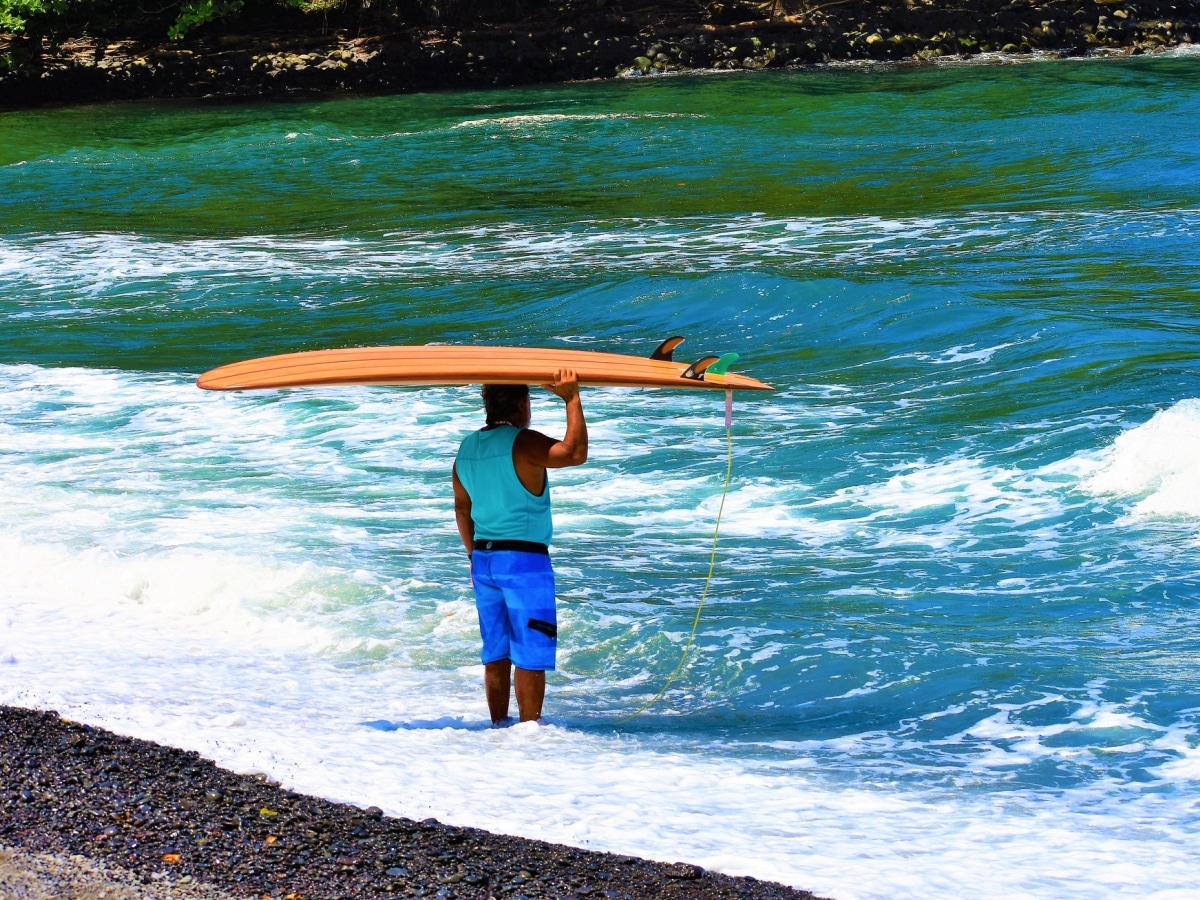
Hilo’s beaches are quite different from the long stretches of white sand many travelers associate with Hawaii. Here, volcanic rocks line the shore, tropical vegetation grows close to the water, and sheltered coves form natural swimming pools. These coastal spots are worth exploring, even if you’re not planning to spend the whole day at the beach.
Richardson Ocean Park
Richardson Ocean Park is one of the most interesting places to explore Hilo’s coastline. Dark lava rocks surround shallow pools and small patches of black sand, sometimes mixed with greenish grains of olivine, a mineral found in volcanic rock.
When ocean conditions are calm, the sheltered waters can be suitable for snorkeling and spotting tropical fish. You may also see Hawaiian green sea turtles, known locally as honu.
Always give sea turtles plenty of space. Never touch, chase, or block their path, and follow local wildlife protection rules. Sightings are not guaranteed, so enjoy the coastal scenery whether or not you encounter any marine life.
Richardson is a convenient place to experience the Big Island’s volcanic shoreline without traveling far from downtown Hilo. However, even a cove that looks calm can have changing currents and wave conditions. Check ocean safety information before entering the water.
Carlsmith Beach Park
Carlsmith Beach Park is known for its natural lagoons, where clear water meets dark volcanic rock and grassy areas extend almost to the shoreline. The relatively sheltered pools can offer opportunities for swimming and watching marine life when conditions are safe.
Don’t expect a wide sandy beach with rows of umbrellas. Most visitors spread out on the grass, enjoy a picnic, or relax beside the water. The shallow pools and changing shades of blue and green are part of what makes this spot appealing.
Carlsmith is popular with both locals and visitors. Help protect the area by staying off fragile coastal habitats, leaving rocks and marine life undisturbed, and taking all your belongings and trash with you.
How Hilo’s Beaches Compare to Kona
One of the biggest differences between Hilo and Kona is the weather. Hilo sits on the windward side of the Big Island, where moisture carried by the trade winds brings frequent rainfall. Kona, on the leeward western coast, generally enjoys drier and sunnier conditions.
The coastline looks different, too. Around Hilo, you’ll find lava rocks, small coves, and natural pools rather than extensive sandy beaches. Kona and other parts of the west coast offer more of the sandy beaches that travelers often picture when planning a Hawaii vacation.
If your main goal is to spend long days on the sand, Kona may be a better base. But if you’re interested in volcanic scenery, rainforest landscapes, and quieter coastal parks, Hilo offers a different way to experience the Big Island.
Best Day Trips from Hilo
Hawaii Volcanoes National Park
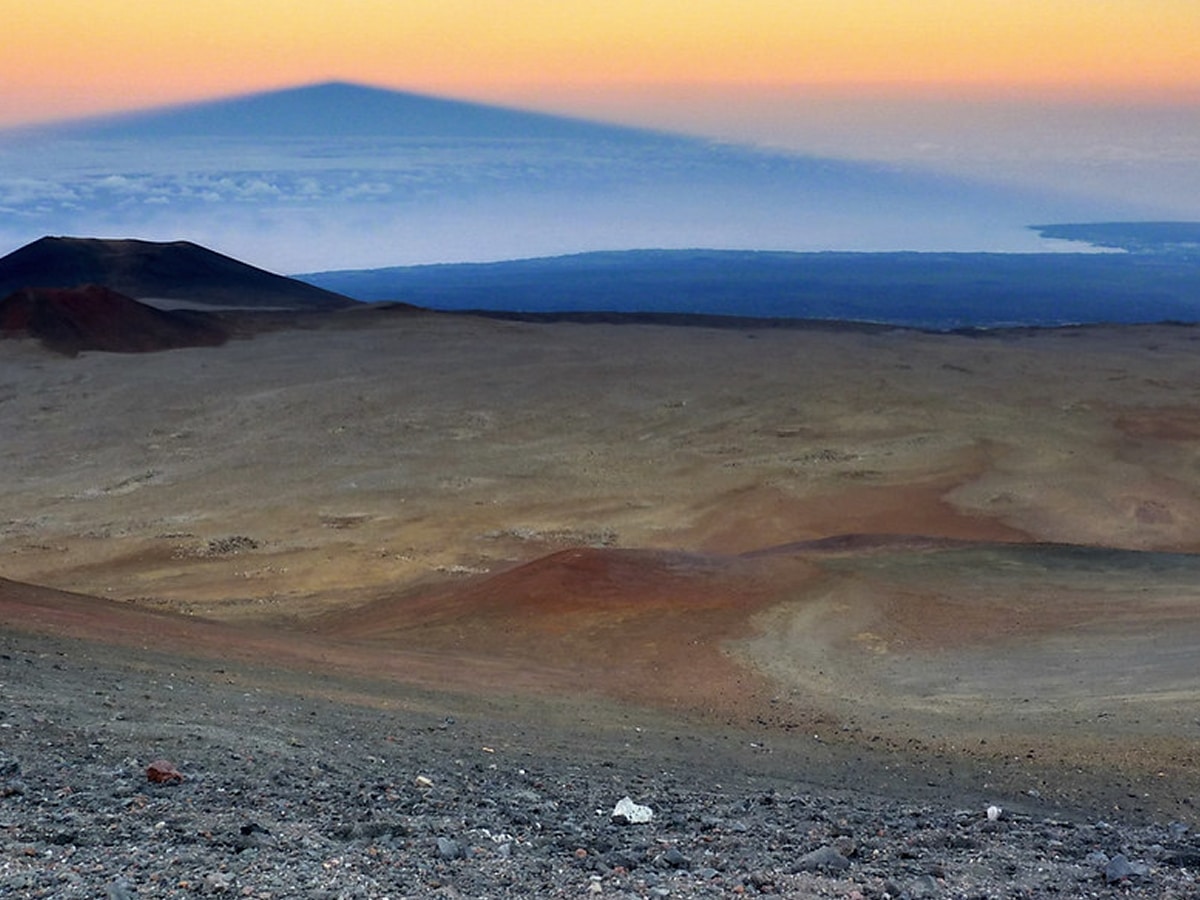
About a 45-minute drive south of Hilo, Hawaii Volcanoes National Park is one of the most rewarding places to explore on the Big Island. The park protects landscapes shaped by Kīlauea and Mauna Loa, two volcanoes that have played a major role in the island’s geological history.
Visitors can explore volcanic craters, hardened lava fields, forested areas, and unusual geological formations. In some places, dark volcanic rock stretches across the landscape, while in others, ferns and young trees are gradually growing back through the cooled lava.
Volcanoes also hold deep cultural significance in Hawaii. In Hawaiian traditions, Pele is associated with fire, volcanoes, and the creation of new land. These landscapes are more than geological attractions; they are part of a living cultural and spiritual heritage.
Conditions at Kīlauea can change quickly, and seeing active lava is never guaranteed. Roads, trails, and viewing areas may close because of volcanic activity, gas emissions, or maintenance work.
Before your visit, check the latest updates from the National Park Service and bring an extra layer of clothing. Temperatures at higher elevations can be noticeably cooler than along the coast.
Explore Puna’s Lava Landscapes
Southeast of Hilo, the Puna district still bears the marks of past volcanic eruptions. In some areas, lava flows have covered former roads and left wide stretches of black rock. Elsewhere, tropical vegetation is slowly returning, with ferns and young trees growing through cracks in the cooled lava.
The 2018 eruption along Kīlauea’s Lower East Rift Zone dramatically changed parts of the region. Lava destroyed homes, covered roads, and reshaped entire neighborhoods. It’s important to approach these places with respect, as the effects of the eruption are still part of everyday life for local communities.
A drive through Puna reveals a mix of rainforest, small communities, and volcanic terrain. However, some areas are privately owned, restricted, or difficult to access. Never enter private property or attempt to cross unstable lava fields without proper authorization and guidance.
Take your time exploring the district, stick to public roads, and use designated stopping areas rather than venturing onto unfamiliar terrain.
Hawaii Tropical Bioreserve & Garden
North of Hilo, the Hāmākua Coast is known for its lush vegetation and scenic coastal roads. One of the places worth visiting is Hawaii Tropical Bioreserve & Garden, a privately operated botanical garden set in a valley near the ocean.
The garden is home to a wide variety of tropical plants, including palms, giant ferns, flowering species, and towering trees. Walking paths wind through the greenery, with occasional views toward the coastline.
Beyond its plant collections, the garden offers a closer look at the conditions that make this part of the Big Island so green. Frequent rainfall, humidity, and the valley’s terrain support dense tropical growth. Some paths are steep and can become slippery after rain, so comfortable walking shoes are recommended.
Admission is paid, and opening hours and access conditions may change. Check the garden’s official website for current prices and visitor information before heading out.
How Many Days Do You Need in Hilo?
One Day in Hilo
If you only have one day in Hilo, focus on the town and its nearby attractions. Start at Rainbow Falls, then continue to Boiling Pots to see two very different sections of the Wailuku River.
Head downtown for lunch and a visit to Hilo Farmers Market, depending on its opening schedule. In the afternoon, take a walk through Liliʻuokalani Gardens and cross the footbridge to Coconut Island.
If you still have time and ocean conditions are safe, finish your day at Richardson Ocean Park or Carlsmith Beach Park. This one-day Hilo itinerary gives you a good introduction to the town without spending too much time driving.
Two Days in Hilo
With two days in Hilo, follow the first day’s itinerary and spend your second day exploring the Hāmākua Coast. Start with a morning visit to ʻAkaka Falls, then continue to a tropical botanical garden or stop in the small town of Honomū.
On your way back toward Hilo, geology enthusiasts might want to visit Kaumana Caves, provided they have the right equipment and follow all safety precautions. Alternatively, spend more time exploring downtown Hilo and its museums.
Two days give you enough flexibility to enjoy the scenery without rushing from one attraction to the next.
Three Days in Hilo
A third day gives you time for a trip to Hawaii Volcanoes National Park. Leave early to explore the open trails and viewpoints, and adjust your plans according to the latest conditions and alerts issued by the National Park Service.
If you’d rather explore coastal landscapes and small communities, the Puna district is another option. It’s better to choose one of these longer excursions than try to fit both into the same day.
For a first visit to the Big Island, spending three days in Hilo offers a good balance of waterfalls, local culture, coastal scenery, and volcanic landscapes.

Plan Your Visit to Hilo
One Day in Hilo
If you only have one day in Hilo, focus on the town and its nearby attractions. Start at Rainbow Falls, then continue to Boiling Pots to see two very different sections of the Wailuku River.
Head downtown for lunch and a visit to Hilo Farmers Market, depending on its opening schedule. In the afternoon, take a walk through Liliʻuokalani Gardens and cross the footbridge to Coconut Island.
If you still have time and ocean conditions are safe, finish your day at Richardson Ocean Park or Carlsmith Beach Park. This one-day Hilo itinerary gives you a good introduction to the town without spending too much time driving.
Two Days in Hilo
With two days in Hilo, follow the first day’s itinerary and spend your second day exploring the Hāmākua Coast. Start with a morning visit to ʻAkaka Falls, then continue to a tropical botanical garden or stop in the small town of Honomū.
On your way back toward Hilo, geology enthusiasts might want to visit Kaumana Caves, provided they have the right equipment and follow all safety precautions. Alternatively, spend more time exploring downtown Hilo and its museums.
Two days give you enough flexibility to enjoy the scenery without rushing from one attraction to the next.
Three Days in Hilo
A third day gives you time for a trip to Hawaii Volcanoes National Park. Leave early to explore the open trails and viewpoints, and adjust your plans according to the latest conditions and alerts issued by the National Park Service.
If you’d rather explore coastal landscapes and small communities, the Puna district is another option. It’s better to choose one of these longer excursions than try to fit both into the same day.
For a first visit to the Big Island, spending three days in Hilo offers a good balance of waterfalls, local culture, coastal scenery, and volcanic landscapes.


