





In the far north of Sweden, in Lapland, Abisko National Park lies about 100 kilometres from Kiruna, well beyond the Arctic Circle. The scenery changes quickly here. Stunted birch trees, bare mountain peaks, and that strange feeling that nature has been left to do its own thing.
The Kungsleden trail begins in Abisko and heads deep into the Swedish mountains. Yet it’s only a short walk to the Abiskojåkka Canyon, where the river forces its way through steep rock walls. Further on, the vast Lake Torneträsk stretches out beneath the mountains, its dark waters adding to the quiet, rugged landscape.
A chairlift takes visitors partway up Mount Njullá. From there, you can make out Lapporten, the broad U-shaped valley that has become one of the region’s most recognisable sights. In summer, the midnight sun keeps the days going, leaving plenty of time to wander along the trails.
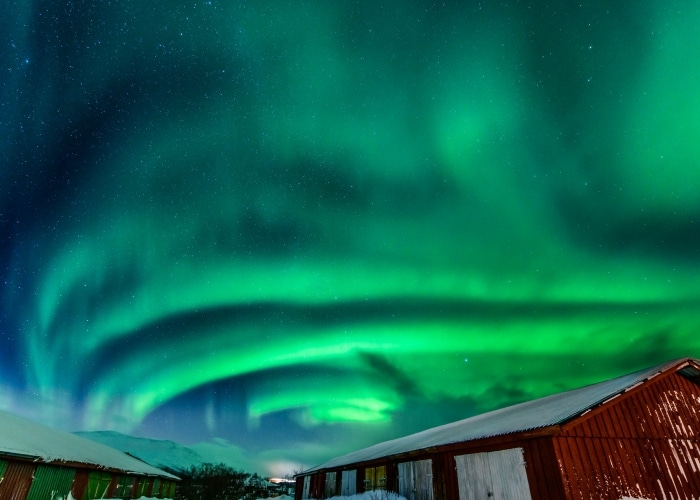
Winter is a different story. Abisko is known for its Northern Lights, which travellers hope to catch whenever the skies clear. Nothing’s guaranteed, of course. But standing out in the cold, far from city lights, with nothing but mountains on the horizon, is already something you’ll remember.
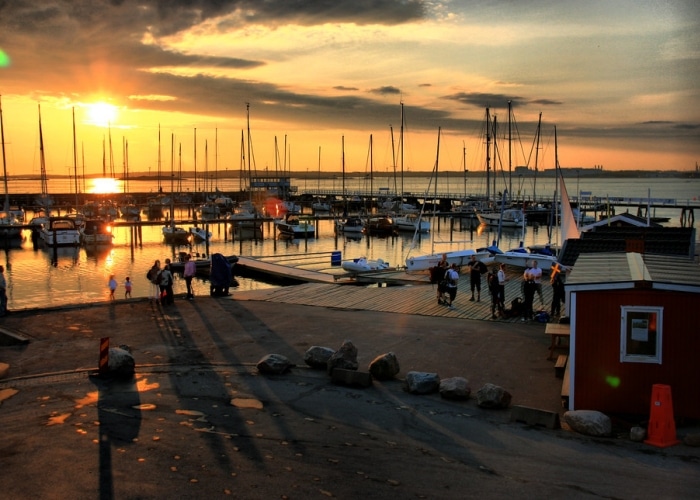
On Sweden’s west coast, facing the waters of the Kattegat, Gothenburg still carries something of its maritime past. The country’s second-largest city after Stockholm is easy to explore on foot, by tram or by boat, following its canals and lively neighbourhoods. The harbour never feels far away, even when you’re wandering through the city centre.
The Haga district is one of the nicest places to begin exploring Gothenburg. Its cobbled streets, wooden houses and little cafés make it hard not to stop, if only for a kanelbulle, the much-loved Swedish cinnamon bun. A little further uphill, the old Skansen Kronan fortress overlooks the rooftops and offers a lovely view across the city.
Heading back towards the canals, it’s hard to miss Feskekôrka, the old fish market housed in a building that looks rather like a church. It’s a place closely tied to Gothenburg’s food traditions, especially its long relationship with seafood. For a quieter walk, the wide lawns and wooded paths of Slottsskogen offer a welcome break from the busier streets.
But there’s more to Gothenburg than its city streets. From the Saltholmen ferry terminal, boats head out to the smaller islands of the southern archipelago, including Styrsö and Brännö. A few colourful houses, rocks along the shoreline, paths where cars are rarely seen. A different pace of life, surprisingly close to the city, and a glimpse of everyday life on the Swedish coast.
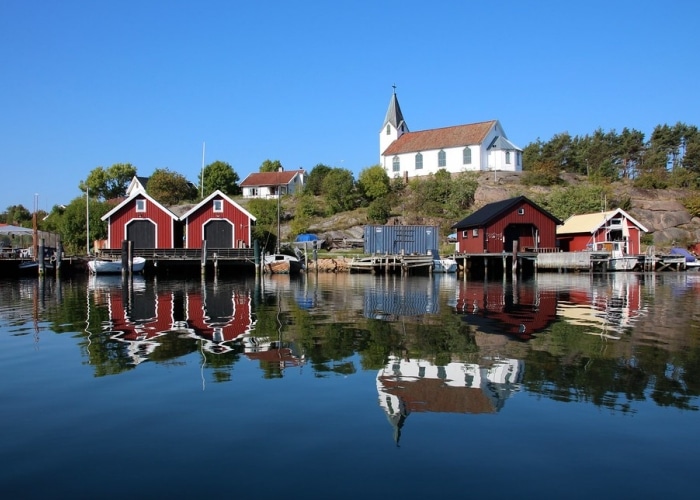
On Sweden’s west coast, north of Gothenburg, the Bohuslän coastline stretches all the way to the Norwegian border. There’s something distinctive about this stretch of shore, with its pink granite rocks, small islands and wooden houses clustered around fishing harbours. Some villages almost seem to sit directly on the rock, facing a sea that still shapes everyday life.
In Smögen, the wooden Smögenbryggan boardwalk runs past fishing huts with brightly painted façades. People come to watch the boats, stroll along the quays or enjoy a plate of freshly caught shrimp. Further north, Fjällbacka has narrow streets and a pretty harbour beneath Vetteberget. From the heights above the village, the little islands scattered across the water make for a scene that stays with you.
The island of Marstrand, reached by a short ferry crossing, tells another part of Bohuslän’s story. Carlsten Fortress stands above the old houses and sailing boats moored in the harbour. Taking the time to walk around the island also reveals rocky trails, small coves and a few peaceful spots away from the busiest streets.
Further north, near Strömstad, the Koster Islands and Kosterhavet Marine National Park attract kayakers and nature lovers. The surrounding waters are home to a remarkable variety of marine life, while the scenery shifts with the tides and changing light. Along this part of Sweden’s coastline, it’s easy to spend whole days moving from one village to the next, without much of a plan.
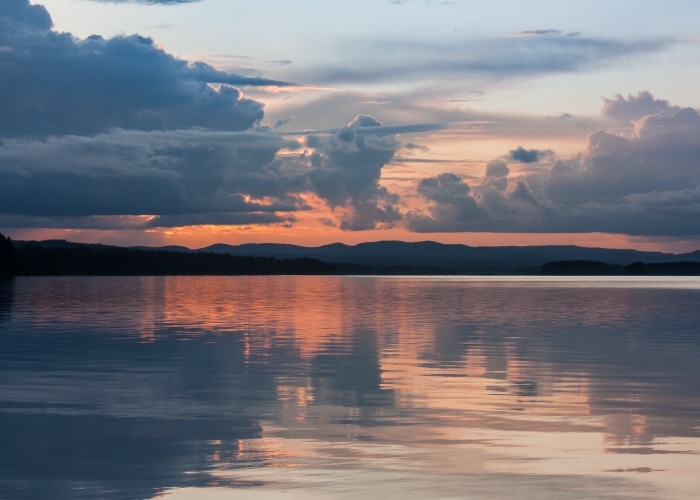
In central Sweden, in the Dalarna region (Dalecarlia), Lake Siljan is surrounded by forests, rolling hills and villages filled with traditional red wooden houses. The landscape seems to have changed very little, and local traditions still mean a great deal to the people who live here. In summer, small beaches and wooden jetties slowly come to life, while the long evenings are made for spending time by the water.
On the eastern shore, Rättvik is known for Långbryggan, a 628-metre wooden pier stretching out into the lake. It’s a simple walk, but the views reach far across the water towards the surrounding hills and villages. A little further north, Tällberg is a collection of pretty wooden houses, flower-filled gardens and viewpoints overlooking Siljan. It’s not hard to see why Swedish holidaymakers have been coming to this little village for generations.
At the northern end of the lake, Mora is worth stopping in for a few hours. The town is home to the Zorn Museum, dedicated to Swedish painter Anders Zorn, whose work often captured scenes of life in his country. Nearby, in Nusnäs, workshops still make the famous Dala horses, hand-painted wooden figures that have become one of Sweden’s best-known symbols.
Lake Siljan can also be explored by boat, bicycle or along the walking trails that wind through the surrounding forests. From the heights of Gesundaberget, you get a real sense of just how far the landscape stretches. In summer, Midsummer celebrations bring another side of the region to life, especially around Leksand, where traditional costumes, music and dancing remain an important part of the festivities.
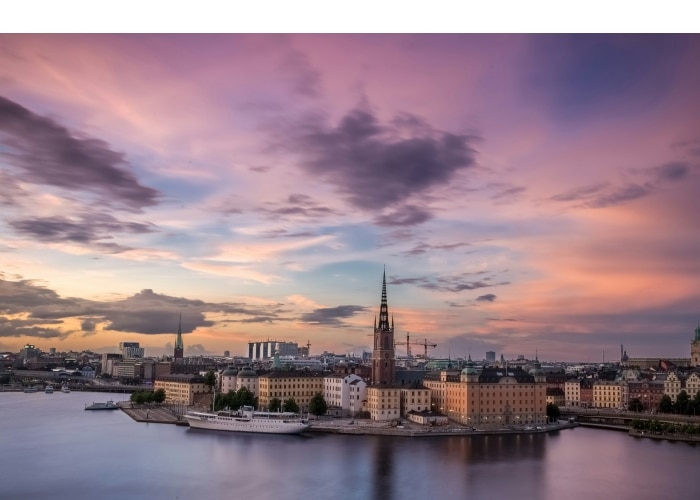
Spread across fourteen islands where Lake Mälaren meets the Baltic Sea, Stockholm feels quite different from other European capitals. Water is everywhere, boats move between the quays, and centuries-old buildings stand alongside much more modern ones. Sweden’s capital is best explored on foot, crossing from one island to another, sometimes just to see what’s waiting around the next corner.
Each neighbourhood in Stockholm has its own character, everyday routines and places worth stopping for a while:
– Gamla Stan: the old town, with its cobbled streets, colourful buildings and Stortorget Square. The Royal Palace is just a short walk away.
– Södermalm: a lively neighbourhood known for its cafés, independent shops and lovely views across the city from Monteliusvägen.
– Östermalm: elegant avenues, beautiful old buildings and the Östermalms Saluhall food market, where visitors can sample a few Swedish specialities.
– Djurgården: a leafy island home to the Vasa Museum, which houses a 17th-century warship, and Skansen, Stockholm’s famous open-air museum.
– Norrmalm: the city’s main shopping district, with its department stores, busy streets and Sergels Torg square.
Beyond these neighbourhoods, a boat trip gives you a completely different perspective on Stockholm. Quays, bridges and buildings slowly drift past, while the archipelago begins to appear as you leave the city behind. Some islands are just a ferry ride away, making them perfect for a short outing away from the busy shopping streets.
There’s a quieter side to Stockholm, too. You’ll notice it in the parks, along the waterfront or on café terraces when the first warm days arrive. Exploring with a local guide helps visitors understand the city’s history and discover those little Swedish habits that often go unnoticed during a short stay.