









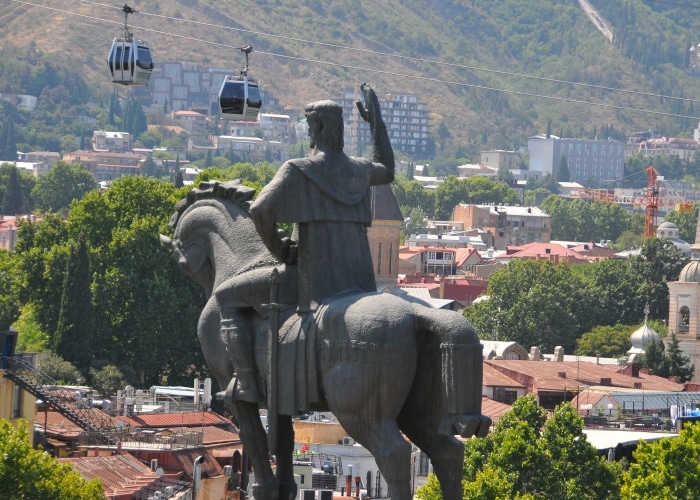
Head to the Georgian capital, where a multicultural atmosphere reigns. The city is surrounded on three sides by mountains and crossed by the two banks of the Kura River. Tbilisi’s old town still bears the marks of its past, especially the Narikala Fortress, over 17 centuries old, with its narrow cobbled streets and old houses with wooden balconies.
You’ll also find leafy squares filled with terraces, bars, and restaurants. Much like in Budapest, you can relax in the baths of the Midan district. It’s a multiethnic city, where old churches, mosques, and synagogues stand side by side. To feel the modern side of the city, stroll down the main shopping street, Rustaveli Avenue, and discover the heart of Tbilisi.
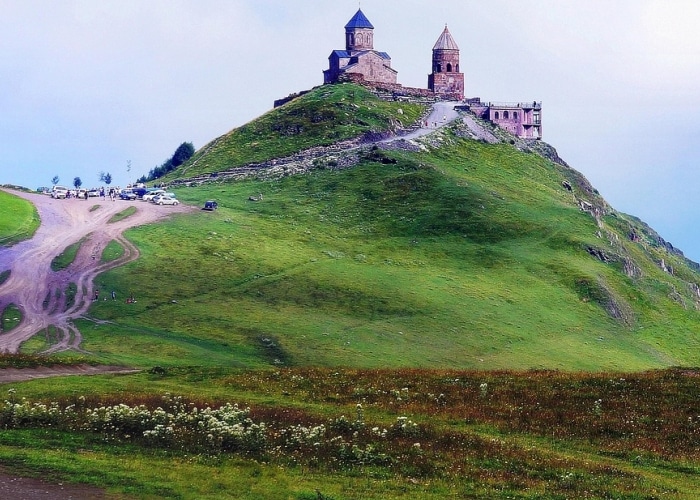
The village of Kazbegi, now once again known by its former name Stepantsminda, is a must-see on any trip to Georgia. Located just 100 kilometers north of the capital Tbilisi, it lies close to the Russian border.
You can reach the Gergeti Monastery, perched at 2,400 meters. Nearby stands Mount Kazbek, rising to 5,047 meters and dominating the entire Caucasus. The more adventurous can enjoy extraordinary views while paragliding, and the region offers countless hiking and mountain biking trails to explore the whole valley.
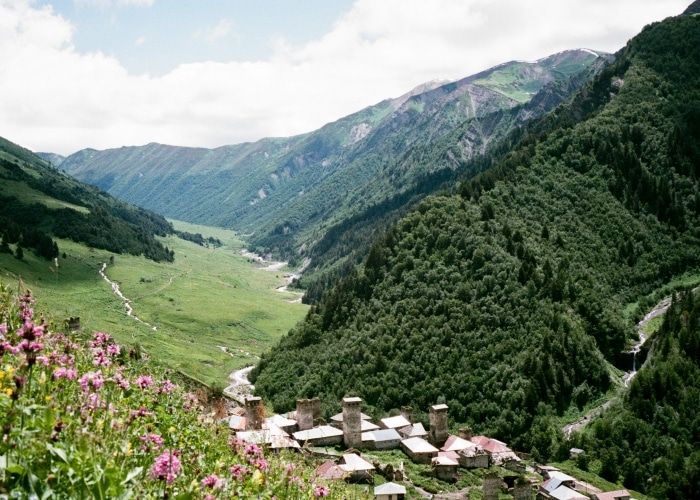
The wild and beautiful region of Svaneti has managed to preserve its traditions, with its picturesque villages standing as proof. Nature reigns here, with lush green meadows at the foot of towering snow-covered mountains. A kind of emblem of the region, you’ll find many watchtowers known as koshki. They once served as refuges for villagers during the many wars and battles that shook the region, particularly between the 9th and 13th centuries.
Svaneti is also home to countless sacred works of art, especially priceless icons, which were safeguarded in private homes or in small centuries-old churches during the successive invasions that Georgia endured.
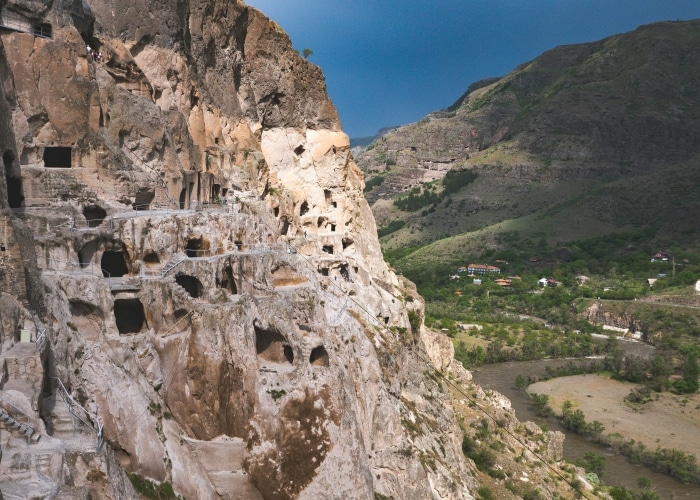
Vardzia is a cave city dating back 800 years. At the end of the 12th century, the former Queen of Georgia, Tamar, had a monastery built here, carved directly into the mountainside.
Nearly 2,000 monks once lived there, and the site became a true holy city. This rock-hewn city included 6,000 spaces—shops, homes, and libraries—spread across 13 levels. It even had a potable water system.
Up to 50,000 people could live in Vardzia. Sadly, an earthquake in 1283 destroyed much of the city. Today, only about a third of the original structures remain, yet the site is still absolutely breathtaking.
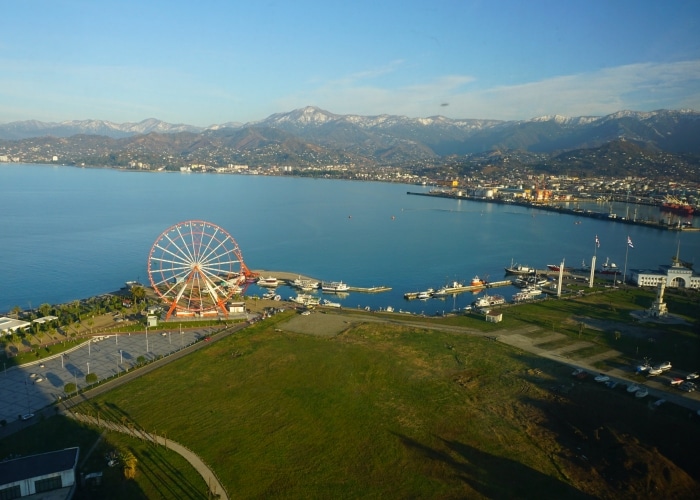
The city of Batumi, located right next to the Turkish border, has tried to preserve its late 19th-century charm. Its growth has been so rapid that in just 10 years it has become one of the most renowned seaside resorts on the Black Sea.
It features both well-preserved old buildings and boldly modern architecture, including the 130-meter-high Alphabet Tower. The seafront has expanded its “Bulvar,” now stretching 8 kilometers, lined with large hotels, swimming pools, shopping centers, and casinos.
In the fully renovated downtown, 15,000 palm trees have been planted. The old town, meanwhile, has welcomed a wave of high-end brand stores.