

How the South of Madagascar Stays With You
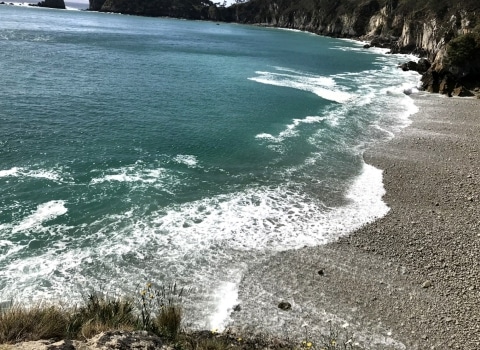
Some places don’t try to impress. They stay quiet, but stay with you. For anyone chasing something different, southern Madagascar has that kind of pull. It’s wild, yes. Untouched in many ways. The Vezo live right along the ocean—between pale lagoons, wind-shaped dunes, and villages that appear, then fade. At sunrise, their canoes move without sound. Just water. Just light.
The road starts in Antananarivo. Then comes Morondava. And there—those baobabs, standing like statues in the late sun. Keep going, the path softens. Sand takes over. Time stretches. On the way to Tulear, it’s not just the landscapes that shift. It’s the silence. A hand wave. A child watching. Every bit of it strips things down. Until all that’s left… feels real.
Vezos, Nomads of the Sea
Among those encounters, the time spent with the Vezo people feels unlike anything else. They live on the edge—of land, of sea, of the known. Semi-nomadic, mostly fishermen, they’ve learned to read wind, water, and time with the precision of those who rely on little more than instinct and tradition.
Their pirogues are carved by hand. Their songs—some barely louder than the waves—travel from mouth to mouth, memory to memory. And when the tide permits, they fish. When it doesn’t, they wait. Life here doesn’t follow the clock, it follows the moon.
What they offer isn’t show or spectacle. It’s a meal of rice and fish, a spot on a wooden boat, a glance that holds stories too long for words. Being with them means moving slower. Listening more. Realizing how little is needed when the sea decides your pace.
Southern Madagascar doesn’t promise anything spectacular. But for those willing to drift a bit—off course, off script—it leaves a mark. Quietly, but deeply.